

Managing Patient Temperature Complaints
Facility temperature is a common complaint from patients. While the federal regulations do not dictate a range, the standard practice is to maintain a temperature between 72 and 75 degrees Fahrenheit. When patients express discomfort, the following actions are recommended:- Determine whether the patient has contributing anemia.
- Check the thermostat.
- Use a hand-held thermometer and do spot checks around the room and various times of day to determine if there are hot/cold pockets.
- Is the patient seated under a vent?
- Encourage the use of blankets, layered clothing, hats and mittens.
- Provide the following education tools: (poster and brochure)
-1.jpeg?width=300&name=AdobeStock_867731678%20(1)-1.jpeg)
Training & Education Materials
Browse downloadable tools designed for quick staff training and patient-facing communication, including huddle sheets for shift meetings and RESPECT posters tailored to your facility's needs.

Download
Huddle-Up ProfessionalismDownload
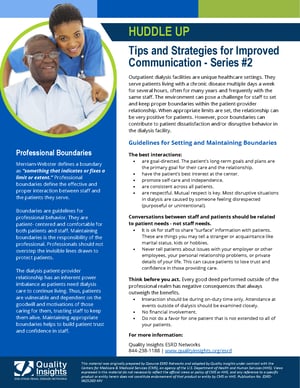
Download
Huddle-Up Professional BoundariesDownload
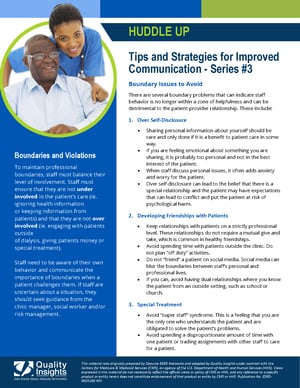
Download
Huddle-Up Boundaries ViolationsDownload
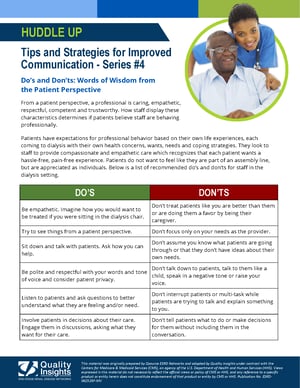
Download
Huddle-Up Patient PerspectiveDownload
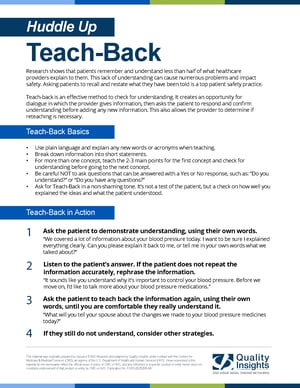
Download
Huddle-Up Teach-BackDownload
Download
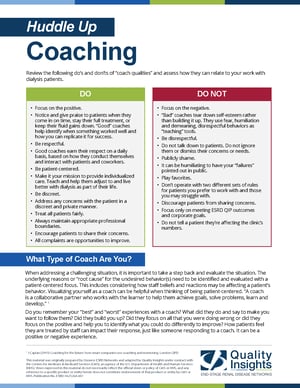
Huddle-Up CoachingDownload
Download
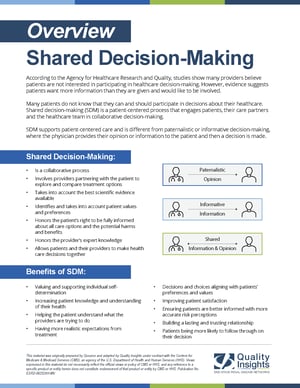
Shared Decision-Making: OverviewDownload
Download
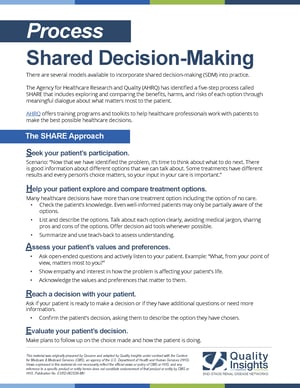
Shared Decision-Making: ProcessDownload
Download
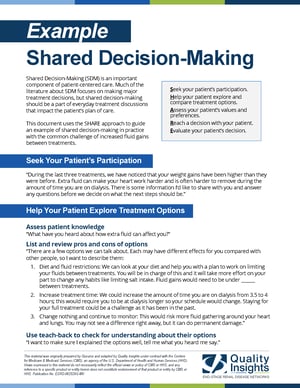
Shared Decision-Making: Case ExampleDownload
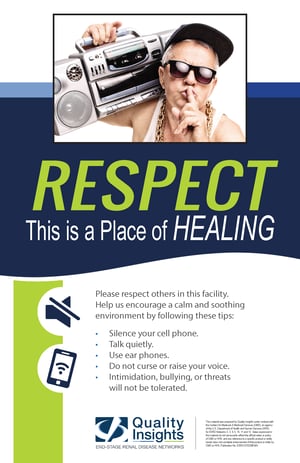
Download
RESPECT Poster 1Download

Download
RESPECT Poster 2Download
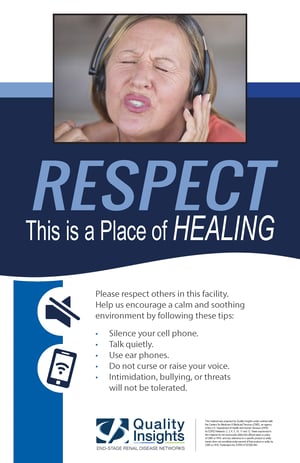
Download
RESPECT Poster 3Download
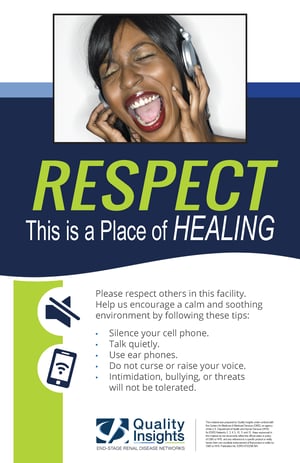
Download
RESPECT Poster 4Download
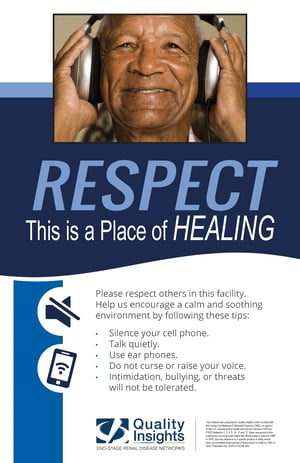
Download
RESPECT Poster 5Download